Water entering your chimney can cause serious damage to the structure and nearby areas. Cracks, worn materials, or missing parts can allow moisture to get inside, leading to stains, odors, and weakened surfaces. If not fixed on time, leaks can spread damage to ceilings and walls.
• Water stains on walls or ceiling
• Damp smell near fireplace
• Visible cracks in bricks or joints
Flashing seals the space where the chimney meets the roof. If it becomes loose, rusted, or poorly installed, water can leak into your home and damage both the roof and chimney area. Proper sealing is important to prevent long-term issues.
• Roof leaks near chimney
• Mold or moisture buildup
• Gaps or loose metal flashing
A damaged or missing chimney cap can allow rain, debris, and animals to enter. This can lead to blockages, nesting issues, and poor airflow inside the chimney. A proper cap helps protect the entire system.
• Debris stuck inside chimney
• Animal entry or nesting
• Reduced airflow or blockage
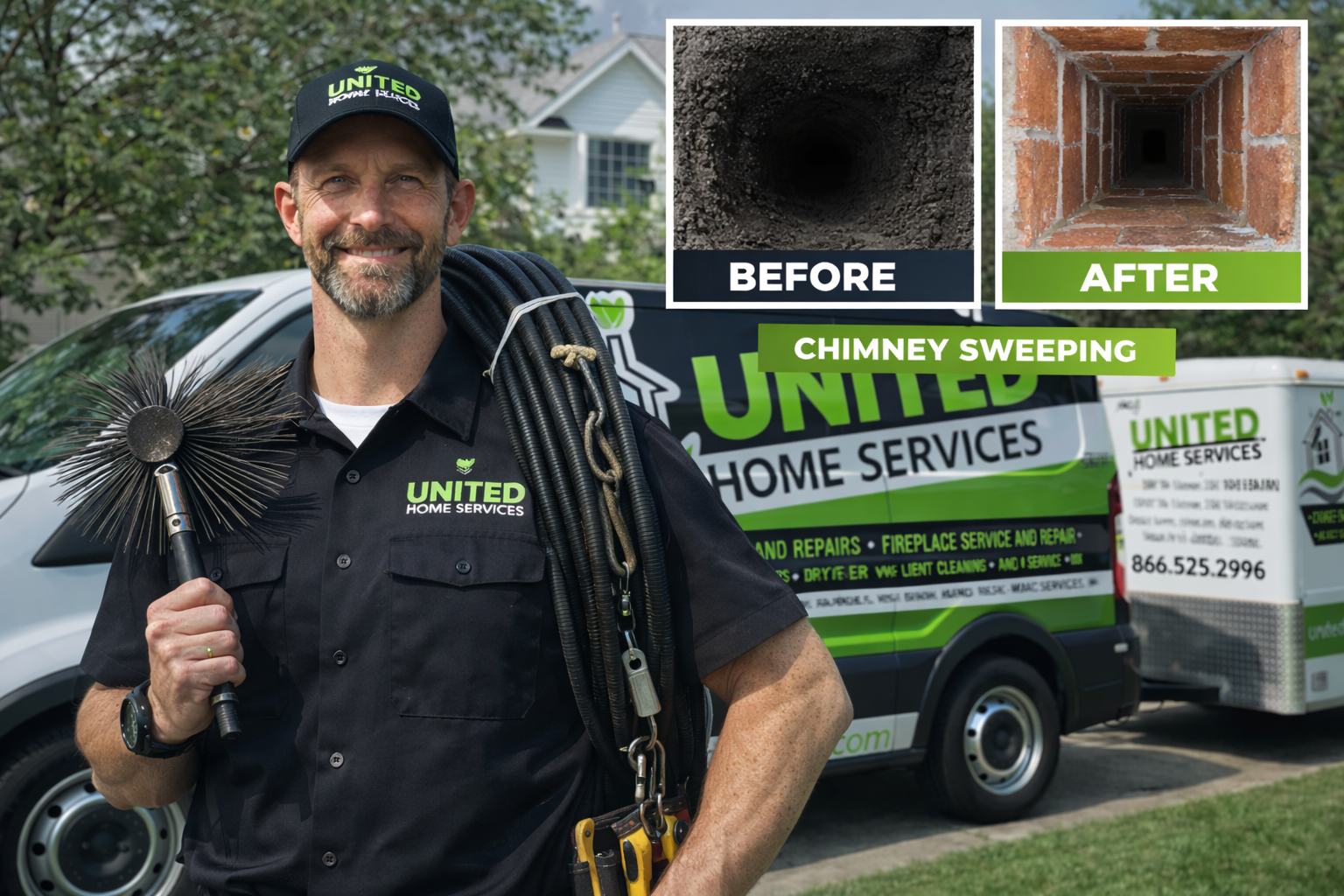
Creosote forms inside the chimney during use and can become a serious fire risk if not removed. Thick buildup restricts airflow and lowers fireplace efficiency. Regular cleaning helps keep your system safe and working better.
• Strong smoke smell
• Black residue inside chimney
• Reduced heating performance