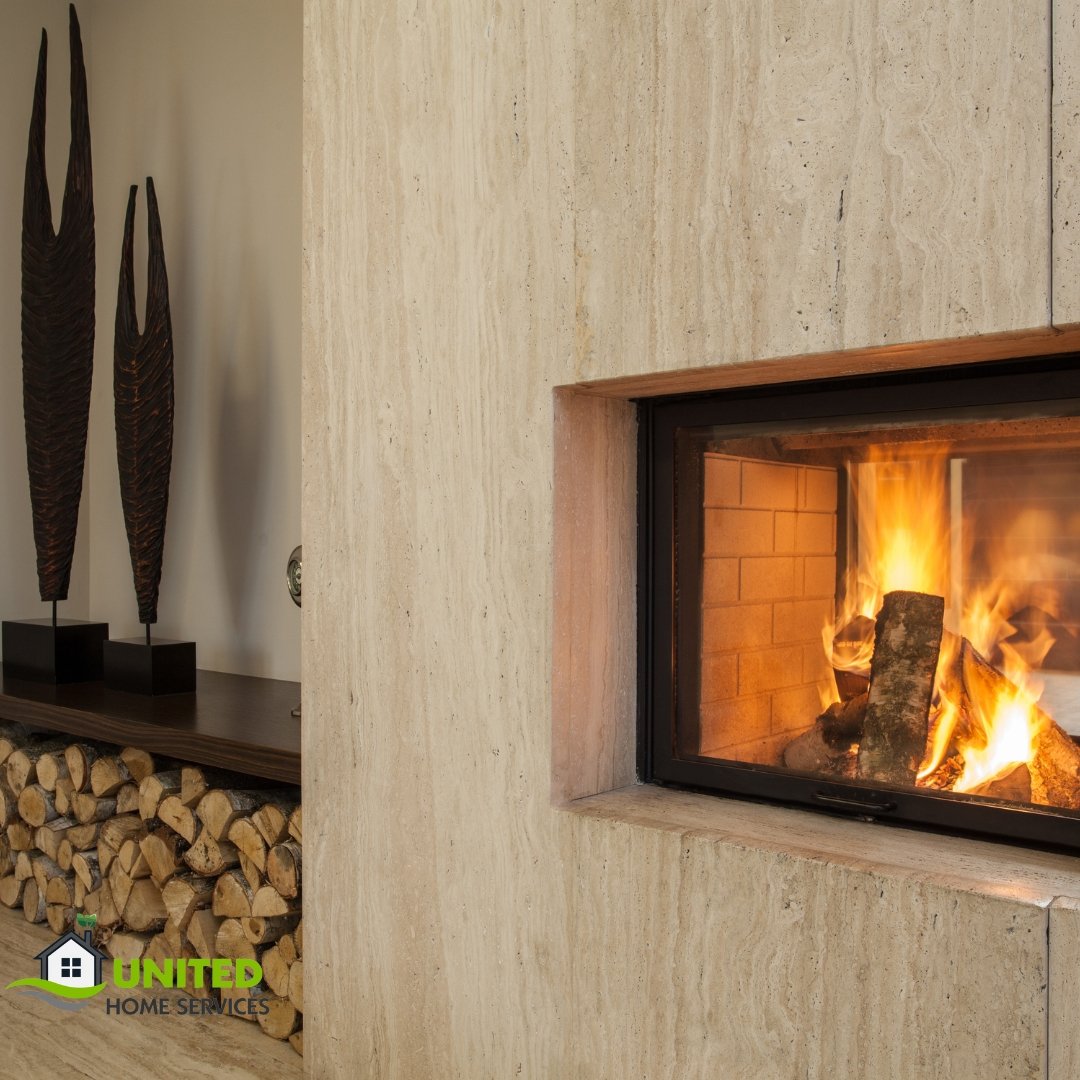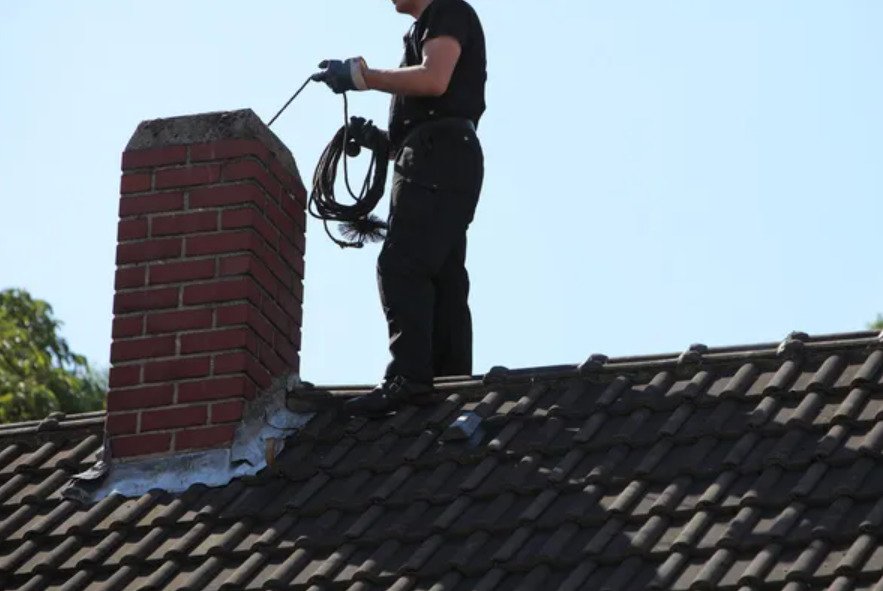




A fireplace can make your home feel warm and comfortable during cold Kansas City winters. However, regular fireplace use can leave soot, creosote, and other debris inside your chimney. Without proper maintenance, these deposits may affect airflow and increase the risk of chimney fires.
Professional Chimney Sweep services help homeowners keep their chimneys clean and in good working condition. Whether you use your fireplace every day during winter or only on special occasions, regular chimney maintenance is an important part of home care. Kansas United Home Services helps homeowners understand their chimney maintenance needs and prepare their fireplaces for the colder months.
Why Is Chimney Cleaning Important?
Every time you burn wood in your fireplace, smoke and combustion byproducts travel through your chimney. Some of these materials can stick to the inside walls and form creosote. Over time, this buildup can become a concern if it is not properly removed.
Regular chimney cleaning helps remove soot, creosote, and other unwanted deposits. It also provides an opportunity to identify blockages, visible damage, and other issues that may affect your fireplace’s performance.
Reduce Creosote Buildup
Creosote is a flammable substance that forms when smoke and other combustion byproducts cool and condense inside a chimney. Wood-burning fireplaces can produce creosote, especially when wood is not properly seasoned or the fire does not burn efficiently.
As creosote accumulates, it can increase the risk of a chimney fire. Professional cleaning helps remove these deposits when necessary and allows homeowners to maintain a cleaner chimney.
Maintain Proper Airflow
A properly functioning chimney helps smoke and combustion gases move outside your home. When soot, debris, or animal nests block the flue, smoke may not travel through the chimney as intended.
Poor airflow can make your fireplace difficult to use and may cause smoke to enter your living space. Regular inspection and cleaning help identify blockages and other problems affecting ventilation.
How Often Should You Have Your Chimney Cleaned?
The frequency of chimney cleaning depends on how often you use your fireplace, the type of fuel you burn, and the amount of buildup inside the chimney. A fireplace used regularly during winter may require more attention than one used only a few times each year.
The National Fire Protection Association recommends that chimneys, fireplaces, and vents be inspected at least once a year. Cleaning and maintenance should be performed when necessary based on the inspection findings.
Wood-Burning Fireplaces
Wood-burning fireplaces produce smoke and combustion byproducts that can collect inside the chimney. One of the main concerns is creosote, which can build up along the chimney walls and become increasingly difficult to remove.
If you use your fireplace regularly, an annual inspection can help determine whether cleaning is needed. Burning properly seasoned wood and maintaining good airflow can help reduce creosote formation, but these practices do not eliminate the need for regular inspections.
Gas Fireplaces
Gas fireplaces generally produce less soot than wood-burning fireplaces. However, their chimneys and venting systems still require regular inspection and maintenance to help ensure proper operation.
Blockages, damaged components, and ventilation problems may affect how your fireplace works. A professional inspection can help identify these concerns and determine whether maintenance or repairs are necessary.
Fireplaces Used Occasionally
Even if you rarely use your fireplace, your chimney may collect leaves, animal nests, moisture, and other debris. These issues can develop even when the fireplace is not being used.
An annual inspection can help identify potential problems and determine whether your chimney is ready for use. Checking the chimney before the heating season can also help you prepare for colder weather.
5 Signs Your Chimney Needs Cleaning
Your fireplace may show several warning signs when the chimney needs attention. Recognizing these signs early can help you address potential problems before they become more serious.
Some chimney issues may not be visible from the fireplace opening. Regular inspections are important because deposits, blockages, and damage can develop in areas that are difficult to see.
1. Strong Smoky Odors
A strong smoky smell coming from your fireplace may indicate soot or creosote deposits inside the chimney. These odors can become more noticeable during humid weather or when the fireplace is not in use.
An inspection can help determine whether deposits, moisture, or another issue is causing the smell. Addressing the source can help keep your fireplace and living space more comfortable.
2. Smoke Entering Your Home
Smoke should travel through the chimney and exit outside your home. If smoke enters your living room when you use your fireplace, there may be a blockage, draft problem, or another issue affecting ventilation.
Stop using the fireplace until the problem has been evaluated by a qualified professional. A chimney inspection can help identify the source and determine what maintenance may be needed.
3. Visible Soot or Creosote
Dark deposits around the fireplace opening or visible inside accessible parts of your chimney may indicate buildup. Creosote can appear as flaky, sticky, or hardened material.
Some deposits may be difficult to identify without proper inspection equipment. A professional chimney sweep can assess the condition of the chimney and determine whether cleaning is necessary.
4. Poor Fireplace Draft
A properly functioning chimney helps smoke move upward and outside your home. If your fireplace struggles to draw smoke, possible causes include a blocked flue, restricted airflow, or other chimney-related problems.
A professional inspection can help identify the source of the issue. Proper maintenance may help restore airflow when the problem is related to soot or debris buildup.
5. Debris or Animal Activity
Birds and small animals may enter chimneys that lack proper protection. Nests, leaves, and other debris can create blockages that affect airflow.
If you hear unusual sounds inside your chimney or notice debris falling into the fireplace, arrange an inspection before using it. A professional can check for blockages and recommend suitable maintenance.
When Is the Best Time to Schedule Chimney Cleaning?
Many homeowners schedule chimney maintenance before the colder months begin. Late summer and early fall can be convenient times to arrange an inspection because homeowners can address maintenance needs before using their fireplaces regularly.
Planning ahead can also make it easier to prepare your fireplace for winter. If cleaning or repairs are needed, addressing them before the heating season can help avoid unexpected problems when temperatures drop.
However, chimney inspections are important throughout the year. If you notice smoke entering your home, unusual odors, visible damage, or other warning signs, do not wait until winter to have the chimney checked.
Chimney Inspection vs. Chimney Cleaning: What’s the Difference?
Chimney inspection and chimney cleaning are related services, but they serve different purposes. An inspection evaluates the condition of the chimney, fireplace, and accessible venting components to identify potential problems.
Cleaning focuses on removing soot, creosote, and other deposits from the chimney and flue. Both services play an important role in maintaining a fireplace and helping homeowners understand their chimney’s condition.
What Does a Chimney Inspection Include?
A chimney inspection may involve checking for creosote buildup, blockages, visible cracks, damaged components, and signs of moisture. The inspection also helps identify conditions that may affect the chimney’s performance.
The level of inspection depends on the chimney’s condition and the reason for the inspection. A professional can explain any findings and recommend appropriate maintenance or repairs.
What Happens During Chimney Cleaning?
Chimney cleaning focuses on removing accumulated deposits from the chimney and flue. The cleaning method depends on the type of chimney, the condition of the deposits, and the equipment required.
Professional cleaning can help remove soot and creosote that may affect airflow or increase fire risk. It also provides an opportunity to discuss any additional maintenance concerns identified during the inspection.
Should You Clean Your Chimney Yourself?
Some homeowners perform basic fireplace maintenance themselves, such as removing cooled ash from the firebox. However, chimney cleaning involves more than removing visible soot, and some deposits can be difficult to reach without proper equipment.
Creosote can accumulate in areas that are not easily visible from the fireplace opening. Blockages and damage may also go unnoticed without a proper inspection.
Professional chimney sweeping requires appropriate tools and knowledge of chimney systems. For homeowners in Kansas City, professional maintenance can help assess the chimney’s condition and identify cleaning or repair needs.
Professional Chimney Sweep Services in Kansas City
Keeping your chimney clean and properly maintained is an important part of responsible fireplace ownership. Regular maintenance helps homeowners identify buildup, ventilation problems, and other concerns before they become more serious.
Kansas United Home Services provides chimney sweep services for homeowners who want to maintain their chimneys and address potential maintenance concerns. Whether you use your fireplace regularly or are preparing it for the colder months, having your chimney inspected can help you understand its condition.
Learn more about our professional chimney sweep services in Kansas City to explore your chimney maintenance options and learn how to keep your fireplace in good working condition.
Keep Your Chimney Ready for the Heating Season
Regular chimney maintenance helps homeowners identify buildup, ventilation problems, and other concerns before they become more serious. Taking care of your chimney can also help prepare your fireplace for regular use during colder weather.
If you use a fireplace in Kansas City, consider scheduling a professional inspection to understand your chimney’s condition and determine whether cleaning is needed.
Frequently Asked Questions
How often should a chimney be inspected?
The National Fire Protection Association recommends that chimneys, fireplaces, and vents be inspected at least once a year. Cleaning should be performed when necessary based on the inspection findings.
Regular inspections help identify soot buildup, creosote, blockages, and other conditions that may affect your chimney’s performance.
Can I use my fireplace if my chimney has not been cleaned?
If you are unsure about your chimney’s condition, arrange an inspection before using it. A professional can check for deposits, blockages, and other problems that may affect safe operation.
If you notice smoke entering your home or other warning signs, stop using the fireplace until the problem has been evaluated.
Does a gas fireplace need chimney cleaning?
Gas fireplaces generally produce less soot than wood-burning fireplaces, but their venting systems still require regular inspection and maintenance.
Blockages, damaged components, and ventilation problems may affect fireplace operation. A professional can determine whether cleaning or other maintenance is necessary.
How long does professional chimney cleaning take?
The time required depends on the chimney’s condition, accessibility, and the amount of buildup. Some chimneys may require additional inspection or maintenance.
A professional can provide a more accurate estimate after assessing the chimney and understanding the work required.
What happens if creosote builds up inside a chimney?
Creosote is flammable and can increase the risk of a chimney fire. The amount and condition of the buildup determine whether cleaning is necessary.
Regular inspections help identify creosote deposits and determine when professional cleaning should be performed.